Welcome, Melchior, Caspar, and Balthazar!

Every January 5th, as the sun begins to set, something extraordinary happens in Spain: the streets fill with excitement, music, sweets, and shining eyes. It’s the night when the Three Wise Men from the East arrive—Melchior, Caspar, and Balthazar—laden with gifts, magic… and the occasional bit of mischief if we haven’t behaved quite well enough 😉. If you end up with coal, you already know you weren’t on your best behavior this year, and that they’ve been keeping an eye on you from their palaces.
For little ones (and for many adults who refuse to stop believing), the night of January 5th is pure fantasy and becomes the most magical night of the year—at least for people in Spain. Parades (cabalgatas) wind their way through towns and cities, announcing that Their Majesties have arrived. Kings on camels, pages throwing sweets, music, lights, and an excitement that’s hard to put into words.
At home, the ritual is sacred: leaving water for the camels, a sweet treat for the Kings, placing shoes somewhere clearly visible, and of course, going to bed early… even though falling asleep is almost impossible. Because that night, while everyone sleeps, the Three Wise Men travel from home to home, delivering gifts to those who have behaved well throughout the year (and leaving coal—sweet coal, luckily—for the cheekier ones).
It’s a tradition that encourages excitement, imagination, and the art of waiting—values that nowadays seem almost magical in themselves.
Who are Melchior, Caspar, and Balthazar?
Tradition tells that the Three Wise Men followed the Star of Bethlehem to worship the baby Jesus, bringing gifts full of symbolism: gold, as to a king; frankincense, as to God; and myrrh, as to a man.
Over time, this biblical story became one of the most beloved traditions on the Spanish calendar, especially focused on children, but enjoyed by people of all ages.
And what happens on January 6th?
After the most eagerly awaited night comes January 6th, known as Three Kings’ Day or the Epiphany of the Lord—and yes, it’s a public holiday throughout Spain.
The Epiphany celebrates, according to Christian tradition, the manifestation of Jesus to the world, represented by the visit of the Three Wise Men. Beyond its religious meaning, in Spain it has become the ultimate family day.
It’s time to open presents with sleepy but excited faces, play for hours with new toys, and of course, gather around the undisputed star of the day: the roscón de Reyes.
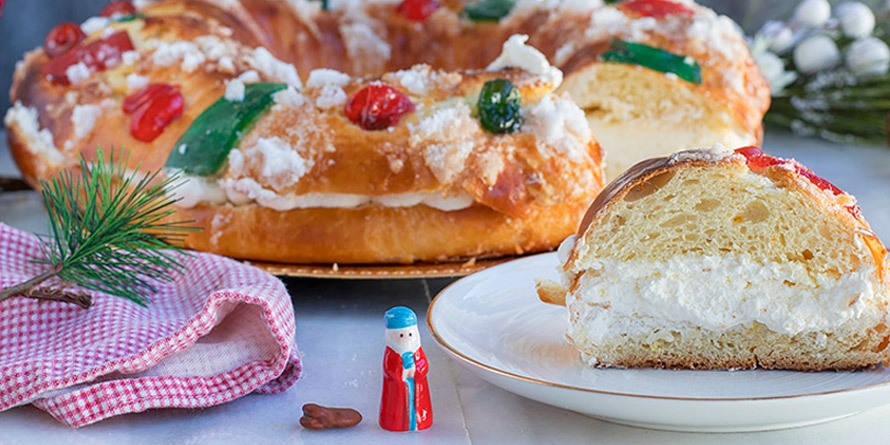 The roscón isn’t just a dessert—it’s almost a game. Inside are hidden a small figurine and a dried bean. Whoever finds the figurine is crowned king or queen for the day! And whoever finds the bean, according to tradition, pays for the roscón (though many try to wriggle out of it). That said, this is like the eternal debate over whether a Spanish omelette should have onions or not. Or something more international: cilantro—yes or no. In other words, the roscón has millions of fans (and comes in many flavors), but also a few detractors. To each their own!
Three Kings’ Day is about much more than presents. It’s family time, shared memories, laughter, blurry photos, and the perfect excuse to believe—if only for one day—in magic.
Because in the end, the Three Wise Men don’t just bring gifts… they bring wonder. And that, for children and not-so-children alike, is the greatest gift of all.